
Little Bee Lavalier wireless microphone for smartphones, with 2.4 GHz wireless transmission, USB-C charging, black X3 model, providing hands-free audio recording for content creators and online video presenters.


Little Bee Lavalier wireless microphone for smartphones, with 2.4 GHz wireless transmission, USB-C charging, black X3 model, providing hands-free audio recording for content creators and online video presenters.
Little Bee X3 Lavalier Wireless Microphone for Smartphone Video and Hands-Free Recording

The Little Bee X3 is a lavalier-style wireless microphone designed to upgrade the audio capture on your smartphone. Released in 2020, this black microphone uses 2.4 GHz wireless technology to transmit sound without the hassle of a cable, giving you greater freedom to move while filming. It is built for content creators, online educators, podcasters, and professionals who need clear, direct audio for their videos without being tethered to their device. The package comes with one microphone unit, ready for use after a simple charge via its USB-C port.
Features and Construction
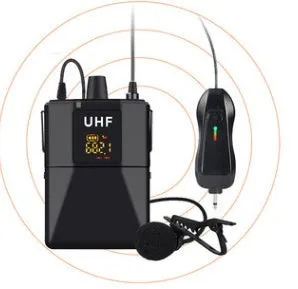
The Little Bee X3 microphone focuses on practical wireless functionality for smartphone users. Its design centres on reliable audio transmission and user-friendly operation.
Material and Build
The microphone housing is constructed from standard plastics and metals, providing a lightweight yet protective shell for the internal electronics. The build prioritises a compact form factor suitable for clipping discreetly onto clothing. The inclusion of a USB-C charging port aligns with modern charging standards, offering a reversible connector for convenient power updates.
Size and Practical Fit
As a lavalier microphone, its primary design is for clipping onto collars, lapels, or other parts of clothing close to the sound source. The wireless nature removes the need to manage a trailing cable, which can get caught or restrict movement during recording sessions. This makes it particularly useful for scenarios where the presenter needs to gesture, demonstrate products, or move around a space while maintaining consistent audio quality directly into the smartphone's recording app.
Uses and Placement

This microphone is suited for a range of recording scenarios where hands-free, clear audio is a priority. Its wireless link to the smartphone is the key differentiator.
Event or Professional Use
For professional settings, the Little Bee X3 can be used for filming interviews, documentary work, or conference presentations where a wired microphone would be intrusive or limiting. The 2.4 GHz transmission provides a stable connection within a typical room environment. It allows the speaker to interact naturally with an audience or another person without worrying about microphone placement or cable management, helping to maintain a professional audio standard for published content.
Everyday Home Use
At home, this microphone is ideal for vloggers creating cooking tutorials, fitness instruction, or room tours where movement is essential. It is also practical for remote workers or students participating in video calls, online lessons, or webinars where clear voice transmission improves communication. The simple setup—charging the unit and pairing it wirelessly—means it can be used immediately without technical expertise, fitting seamlessly into daily digital routines.
Benefits and Buying Value

The value of this product lies in its specific solution to a common audio problem for smartphone video creators.
Reuse and Low Maintenance
The microphone is designed for repeated use across many recording sessions. Its rechargeable battery, charged via USB-C, supports multiple hours of operation per charge, though exact battery life is not specified. Maintenance is minimal, primarily involving keeping the microphone clean and stored safely when not in use. The robust wireless technology means there are no cables to fray or replace, contributing to its longevity for regular users.
Why Choose This Product
You would choose the Little Bee X3 wireless lavalier microphone if you need to improve your smartphone's audio recording capability without investing in a complex, multi-device system. Its core advantage is the liberation from cables, combined with the convenience of modern USB-C charging. It provides a focused upgrade for audio in situations where built-in smartphone microphones pick up too much ambient noise or limit the presenter's mobility. It represents a direct, single-unit solution to achieving better, more flexible sound capture for digital content.
