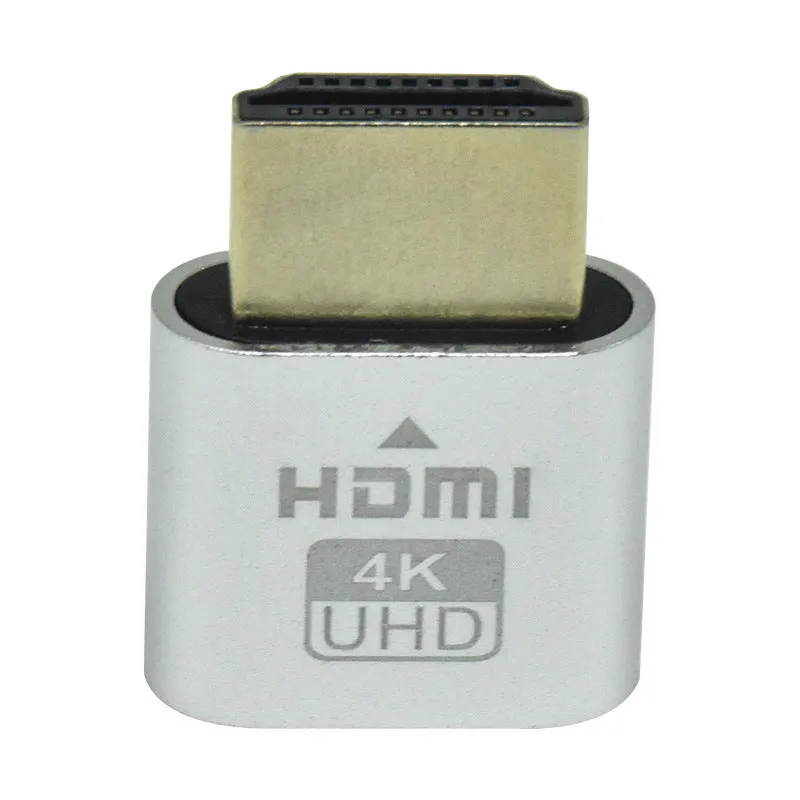
Graphics card virtual display spoof HDMI fake load VGA analogue camouflage adaptor for screen lock and simulated signal output in multiple colour options with 26.5mm HDMI interface and wireless line length


Graphics card virtual display spoof HDMI fake load VGA analogue camouflage adaptor for screen lock and simulated signal output in multiple colour options with 26.5mm HDMI interface and wireless line length
Graphics card HDMI virtual display adaptor with 26.5mm interface for screen lock prevention and signal simulation
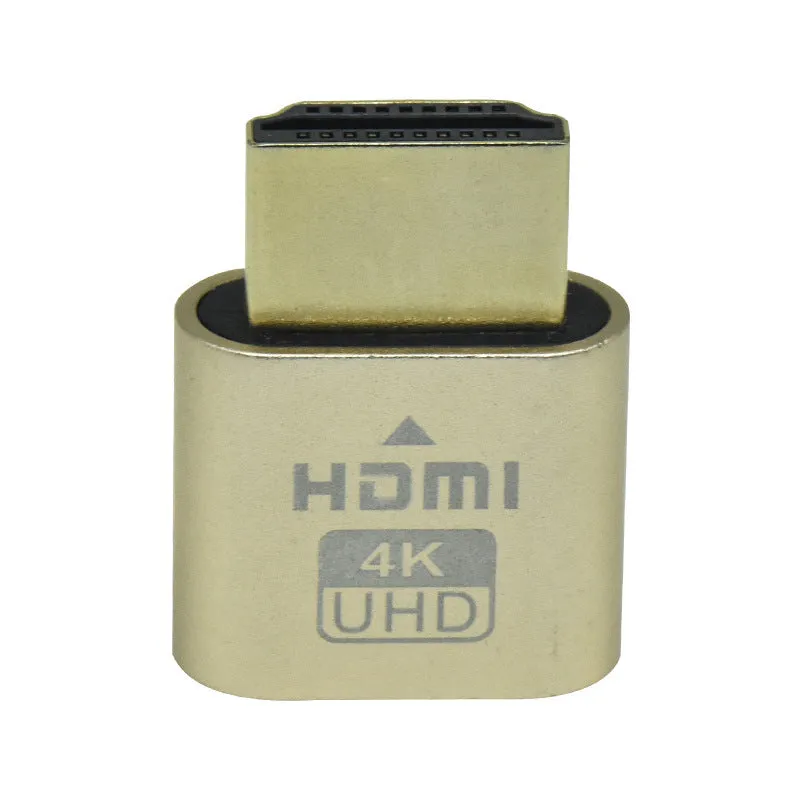
This graphics card virtual display adaptor provides a practical solution for systems requiring monitor detection without physical displays. By simulating an HDMI output signal, it enables proper operation of headless servers, prevents screen locking during remote access sessions, and maintains GPU performance in display-absent configurations. The compact 26.5mm interface connects directly to your graphics card's HDMI port, creating a convincing analogue signal that fools the host system into recognising an active display connection. With multiple colour options and a cable-free design, this adaptor serves various professional and technical scenarios where virtual display output is needed.
Features and Construction

The virtual display adaptor employs specific technical approaches to create a simulated HDMI signal that graphics cards and operating systems recognise as genuine display output. This functionality addresses practical challenges in server rooms, remote workstation setups, and multi-monitor testing environments where physical displays are impractical or unavailable.
Material and Build
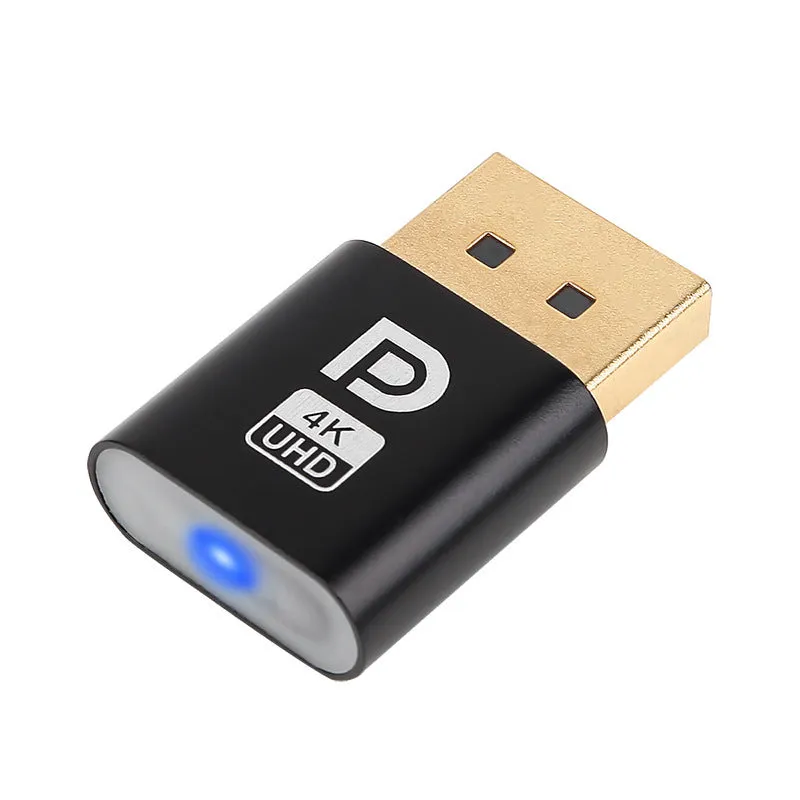
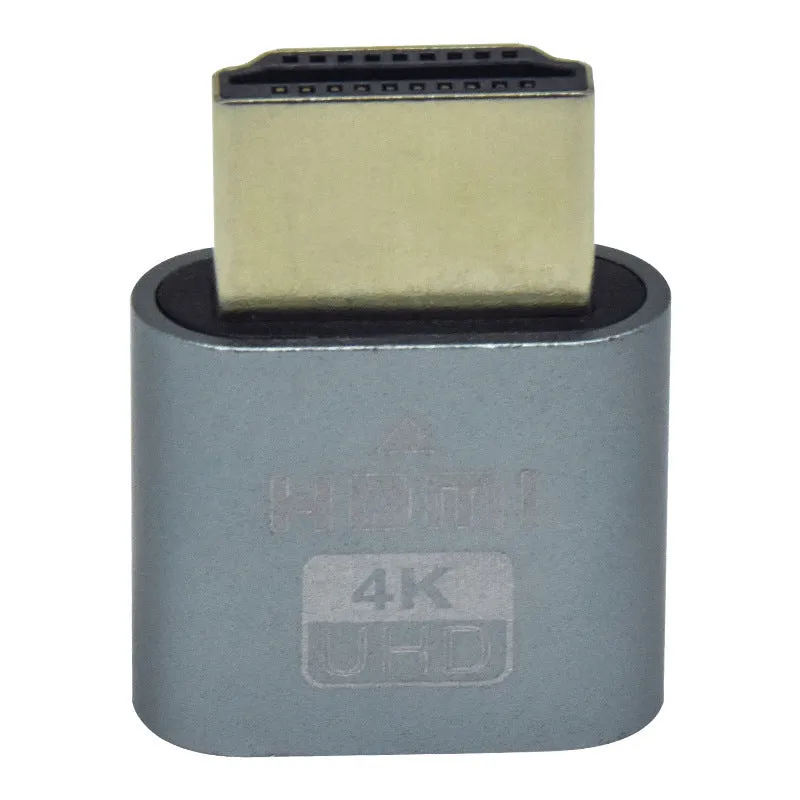
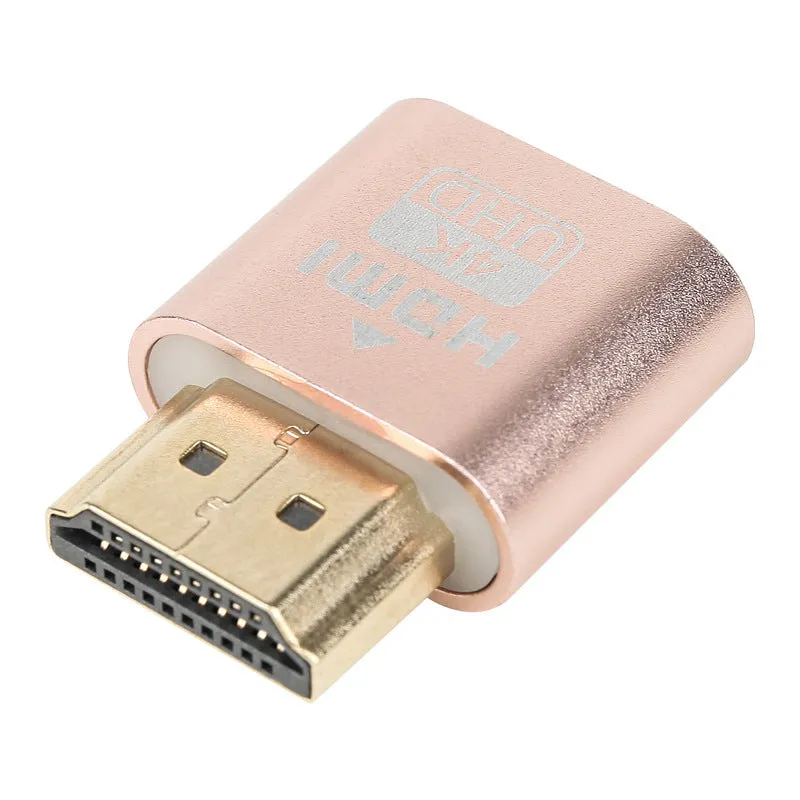
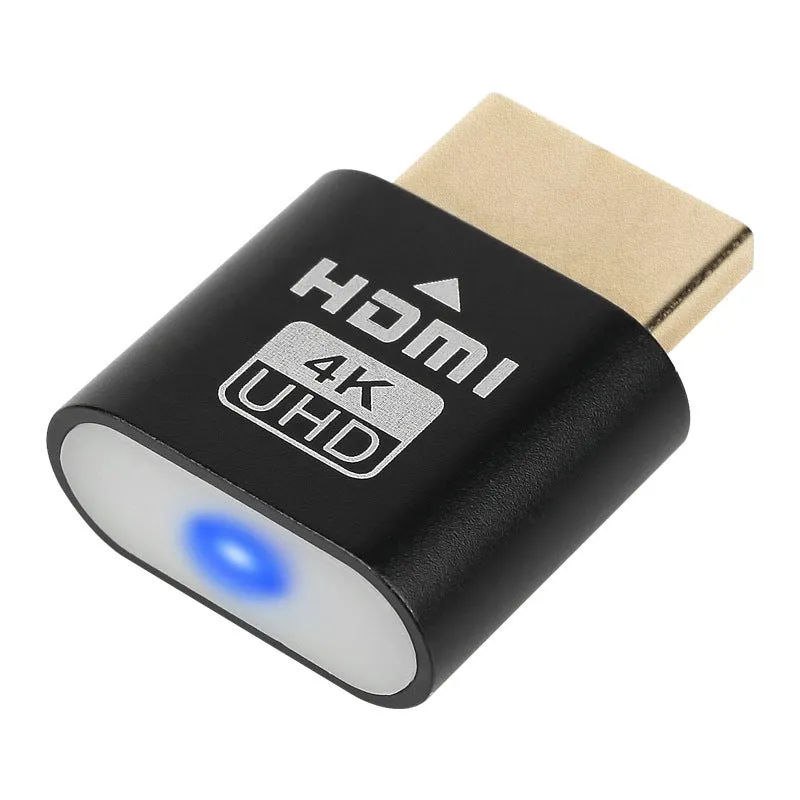
The adaptor housing measures 26.5mm at the HDMI interface connection point, providing a compact form factor that fits securely in graphics card ports without excessive bulk. Available finishes include metallic options such as gold, silver, black, grey, and rose gold for the standard HDMI interface versions. Additional variants feature illuminated interfaces, with options including DP with light black, HDMI interface with light black, light gold, light silver, light rose gold, and light grey finishes. The construction focuses on reliable electrical connectivity rather than aesthetic features, though the colour options allow some visual coordination with system components.
Size and Practical Fit
With its 26.5mm HDMI interface length, the adaptor maintains a minimal profile when connected to graphics card output ports. This compact dimension ensures compatibility with closely spaced multi-GPU configurations and prevents interference with adjacent expansion cards or chassis components. The wireless specification indicates operation without physical cable connections, meaning the device functions as a standalone virtual display once connected to the HDMI port. This cable-free approach simplifies installation and reduces clutter in system builds where multiple virtual displays might be employed simultaneously.
Uses and Placement

The virtual display adaptor serves multiple technical scenarios where simulated monitor output provides practical benefits. From preventing automatic screen locking to enabling specific software functions that require display detection, this device addresses gaps in headless computing environments while maintaining system functionality.
Event or Professional Use
In professional settings such as data centres, server farms, and render farms, this adaptor enables headless operation of graphics-intensive workstations without triggering power-saving modes or display timeout issues. Remote desktop and virtual machine configurations benefit from persistent display detection, ensuring GPU resources remain fully accessible during remote sessions. The device proves particularly useful for cryptocurrency mining rigs, computational research workstations, and automated rendering systems where physical monitors would represent unnecessary cost and space requirements while potentially interfering with thermal management.
Everyday Home Use
Home users employing headless home theatre PCs, secondary gaming rigs used for streaming, or spare computers repurposed as media servers can utilise this adaptor to maintain proper display handshaking without dedicating physical monitors. The device helps prevent automatic screen locking during extended file transfers, backup operations, or distributed computing tasks. Users configuring multi-monitor setups for productivity or gaming may employ additional virtual displays to extend workspace beyond physical monitor limitations, though actual display output requires proper software configuration in conjunction with the hardware adaptor.
Benefits and Buying Value

The virtual display adaptor offers specific technical advantages for users requiring reliable display simulation without the drawbacks of physical monitors. From reducing power consumption to enabling specialised computing configurations, this device provides focused functionality for particular technical scenarios.
Reuse and Low Maintenance
As a passive electronic component without moving parts or complex circuitry, the adaptor requires minimal maintenance beyond occasional connection checks. The solid-state design contributes to reliable operation over extended periods without degradation in signal simulation quality. Users can transfer the device between systems as needed, making it a reusable solution for temporary testing setups, system troubleshooting, or configuration validation. The absence of physical cables reduces potential points of failure and eliminates cable management considerations entirely.
Why Choose This Product
This virtual display adaptor provides a straightforward solution for a specific technical requirement: convincing a graphics card and operating system that a physical display is connected when none exists. The 26.5mm compact interface ensures compatibility with modern graphics card layouts, while multiple colour options allow some visual coordination with system aesthetics. Unlike software-only solutions that may conflict with driver updates or system patches, this hardware approach provides consistent display simulation across different operating systems and graphics card models. The cable-free design simplifies installation while eliminating potential cable-related issues that could interrupt the simulated signal.