Bed drinking water cup and choke proof cup for adults with handle and lid, suitable for elderly care and assisted living, crafted from PP plastic and available in multiple styles including oblique mouth models


Bed drinking water cup and choke proof cup for adults with handle and lid, suitable for elderly care and assisted living, crafted from PP plastic and available in multiple styles including oblique mouth models
Adult care bed drinking cup and choke proof cup with handle and lid for elderly and assisted living
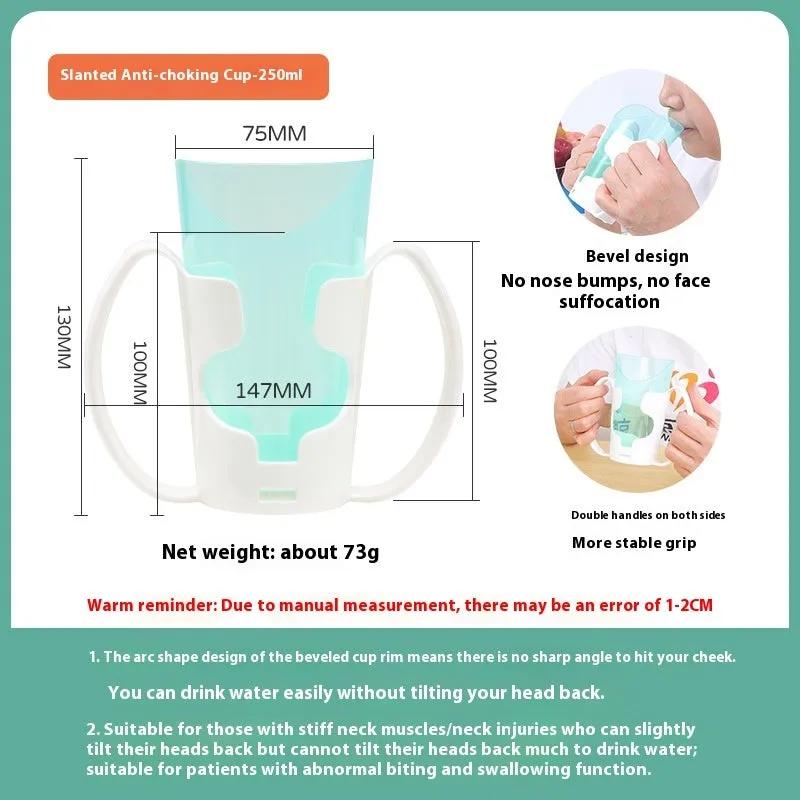
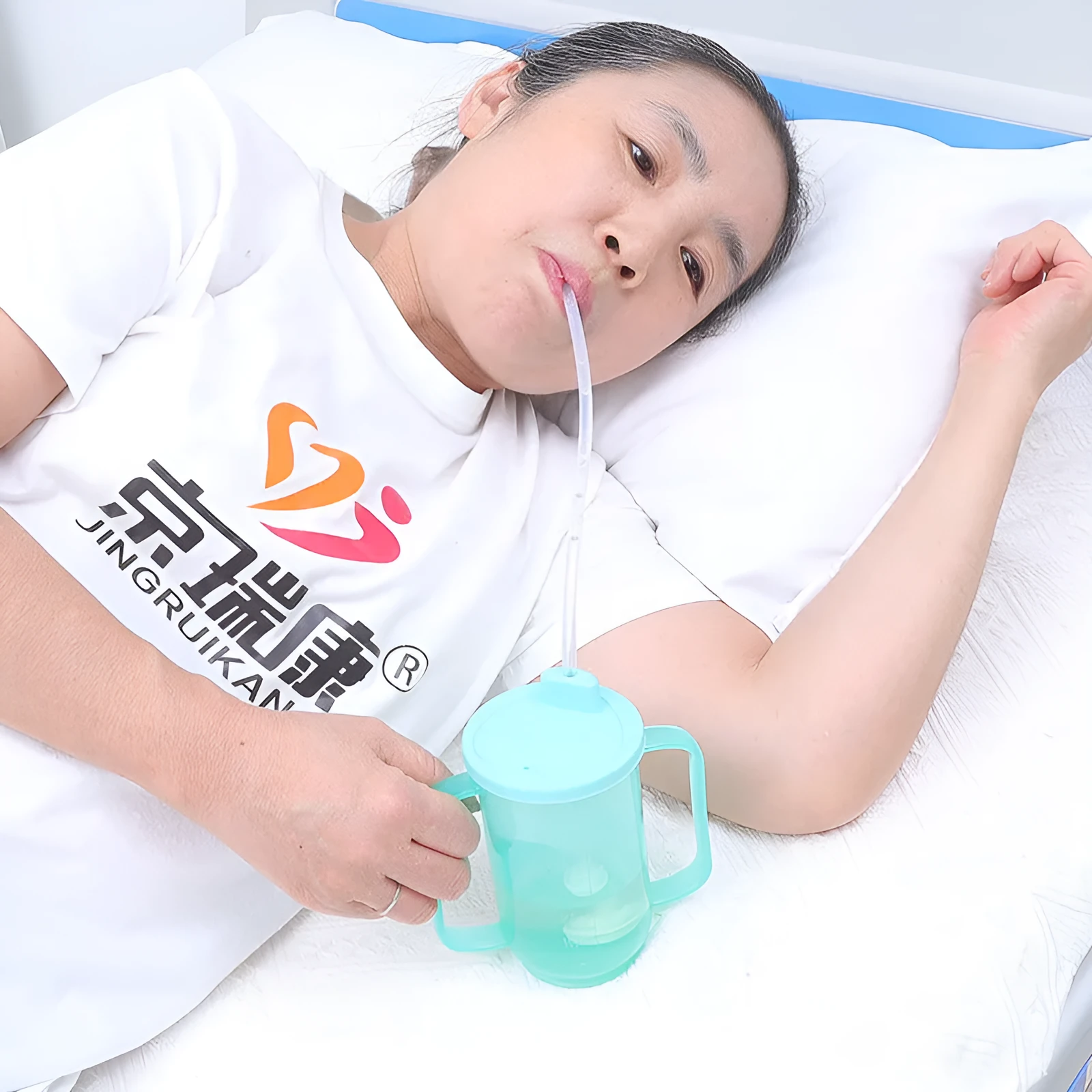
This range of drinking cups is developed to meet the specific hydration needs of adults in care situations, particularly those who spend extended periods in bed or have difficulty with standard cups. The core design focuses on safety and accessibility, offering a practical solution for carers and family members supporting elderly relatives or individuals with reduced mobility. By incorporating features like handles and specialised spouts, these cups aim to promote independent drinking where possible and make assisted drinking more straightforward and secure.
Features and Construction

The cup's construction centres on functionality and hygiene for care environments. Each model is designed with clear, practical benefits in mind, from preventing spills to aiding those with swallowing difficulties.
Material and Build
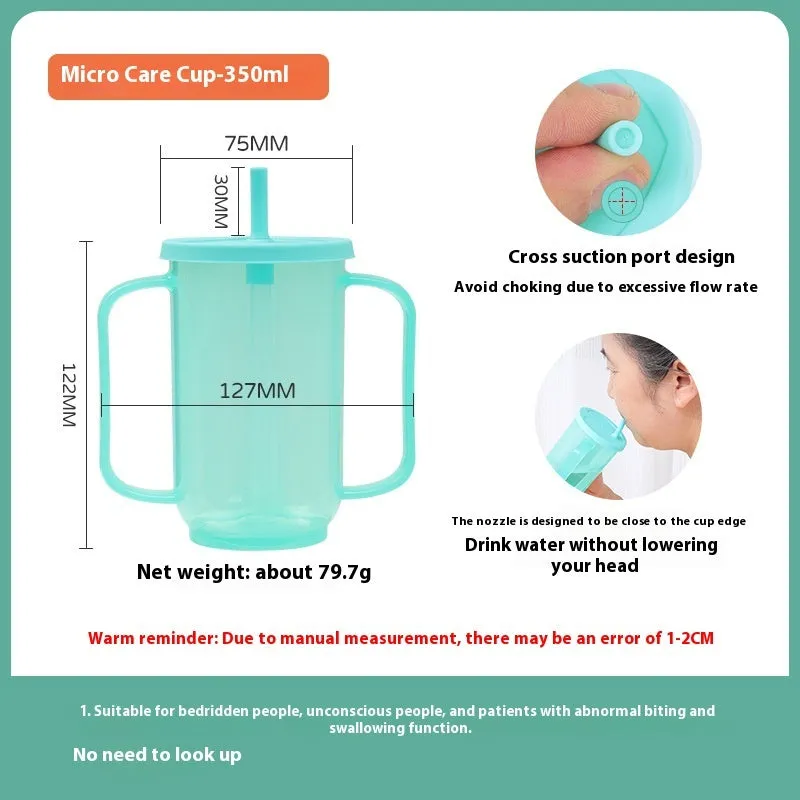
Manufactured from polypropylene (PP), this cup utilises a food-safe plastic known for its robustness and ease of cleaning, which is essential in care settings. The material is lightweight, making the cup easy to hold and manoeuvre, yet durable enough for repeated daily use. The inclusion of a lid helps maintain drink temperature and hygiene, while the integrated handle provides a firm grip for both the user and any assisting carer.
Size and Practical Fit
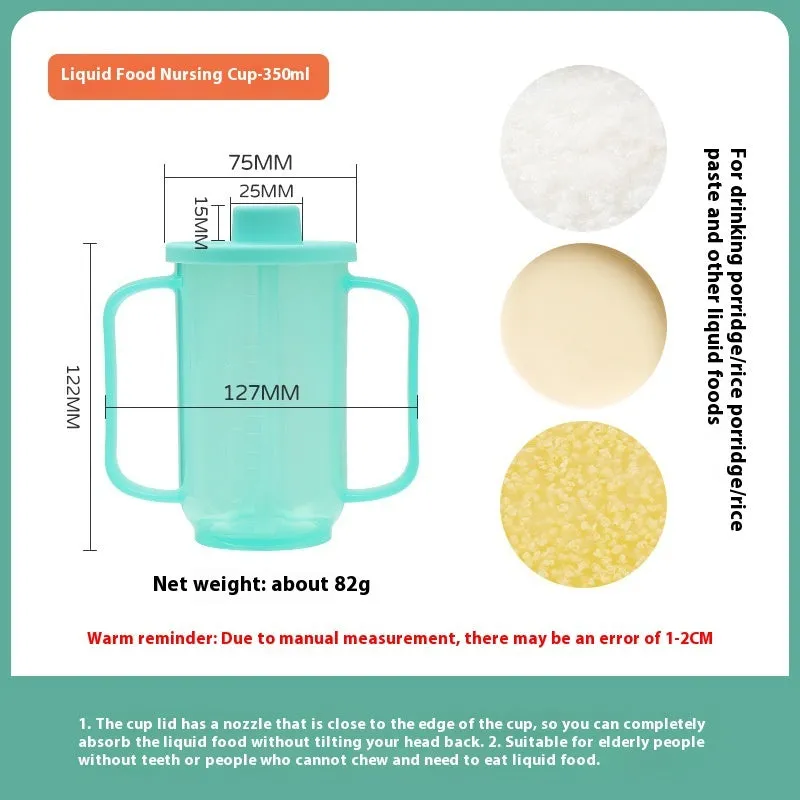
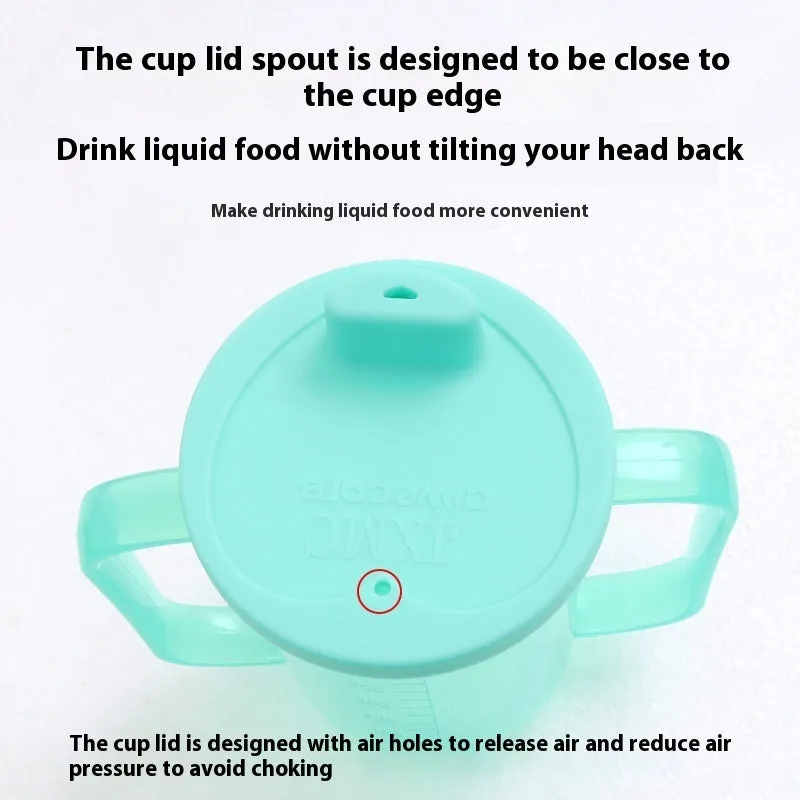
The cup is designed for adult use, with a capacity that varies across the different styles shown in the product images. This allows for selection based on individual needs, whether a smaller 'micro' cup for precise sips or a larger capacity for extended hydration. The oblique mouth designs are a key feature for certain models, shaped to help control liquid flow and reduce the risk of choking, which is a common concern in elderly care and for those with dysphagia.
Uses and Placement
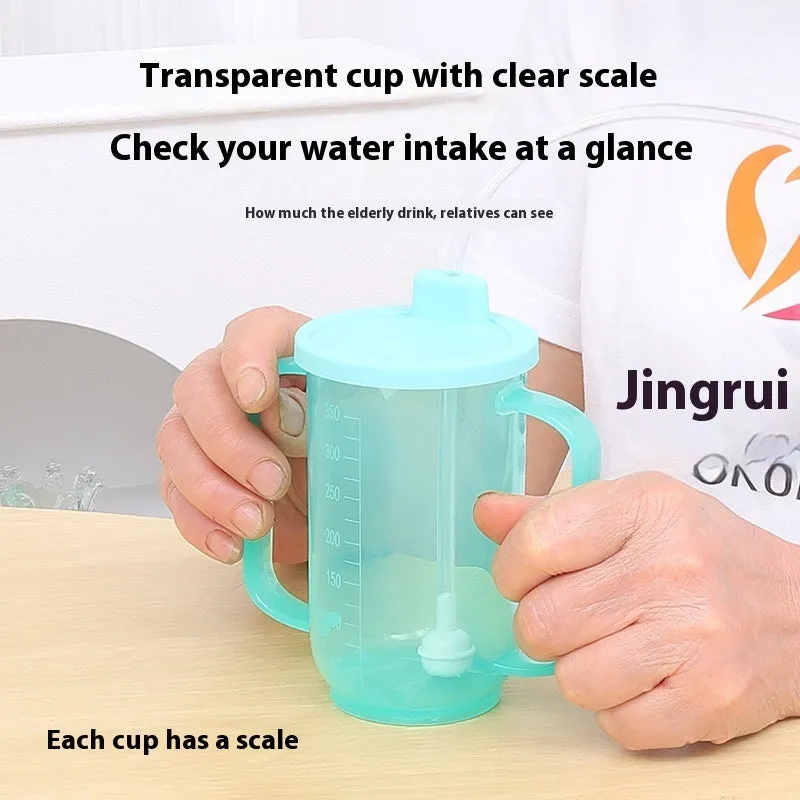
This product serves a clear role in both professional care facilities and domestic home care settings. Its application is directly tied to supporting daily living activities where standard cups may pose a challenge.
Event or Professional Use
In hospitals, care homes, and rehabilitation centres, this cup can be part of a standard care package for patients or residents. The oblique mouth choke proof versions are particularly relevant for speech and language therapy plans or for individuals with identified swallowing risks. The simple, cleanable design aligns with the infection control protocols required in such environments.
Everyday Home Use
For family members providing care at home, this cup offers a specialised tool to make mealtimes and hydration safer and less stressful. It can be used bedside, in a recliner chair, or wherever the individual is most comfortable. The handle and lid combination helps prevent accidental spills on bedding or furniture, while the various styles allow carers to find the most suitable model for their specific situation.
Benefits and Buying Value

The value of this product lies in its targeted design for a specific care need, moving beyond a generic drinking vessel to offer functional support.
Reuse and Low Maintenance
Made from durable PP plastic, the cup is built for repeated daily use and can be easily cleaned by hand washing. This reusability makes it a cost-effective alternative to disposable options and reduces long-term waste. The straightforward design without complex parts minimises maintenance and ensures it remains hygienic with basic care.
Why Choose This Product
Choosing this cup means selecting a product designed with adult care requirements as its primary focus. It provides a tangible solution to the challenge of safe hydration for individuals who are bed-bound or have swallowing difficulties. The availability of multiple styles, including oblique mouth and models with a wrist splint, allows for a degree of personalisation to match the user's specific abilities and needs, which is a key consideration in effective care.